5 Reasons to Plan Your July 2026 Travel Right Now
Yes, it’s December. Yes, July feels like a different lifetime. Here’s why it’s exactly the right time to start planning.
The Hole You’re In (And Why It Feels Familiar)
You’re sitting in a meeting you’re supposedly paying attention to, but your browser has three tabs open: a beach resort in Bermuda, a safari lodge you saw on Instagram, and a Google search for “best time to visit Switzerland.” If you’re starting to plan your July 2026 travel, you’re not alone.
Sound familiar?
The sun set two hours ago. Your car took ten minutes to defrost this morning. You’ve worn the same rotation of sweaters for six weeks. And somewhere between the third cup of coffee and the fourteenth email marked “urgent,” a thought keeps surfacing: I need to get out of here.
Not in a dramatic way. In a very reasonable, adult way. The kind where you’ve earned a real vacation and you’re finally ready to stop talking about it and actually do something.
The Research Spiral
But here’s what usually happens next.
You start researching. Way too many browser tabs open before lunch. ChatGPT gets asked which Caribbean island is best (that’s actually a trap, there isn’t one). At 11pm, your spouse gets a random link to the Maldives with no context. And then you fall asleep with your phone on your chest, no closer to a plan than when you started. Actually, further away.
It’s now three weeks later, you’ve made zero progress but you have pulled some hair out. The tabs are still open. The trip is still in limbo. And the slow creep of “maybe next year” starts whispering in your ear.
I see this pattern constantly. Brilliant, successful people who run companies, manage teams, close deals, raise kids (sometimes all at once) or are just too damn busy, but they can’t seem to get a vacation across the finish line (or if they do, it’s a mediocre experience at best.) Not because they don’t want it….
Because they were exhausted before they even got started.
That’s the hole. And if you’re reading this, you’re probably in it right now.
Here’s what I want you to know: it doesn’t have to be this hard. And the path out is simpler than you think.
Why December Is the Right Time to Plan Your July 2026 Travel
Peak season travel operates on a completely different timeline than everything else in your life. The people who understand that timeline? They’re the ones sipping cocktails at the resort you wanted, in the room you dreamed about, while everyone else scrambles for a bed.
Let me explain why planning now (not in March, not in May, definitely not in June – please, for the love of all things good) is the move.
1. The Best Properties Book Out Months in Advance
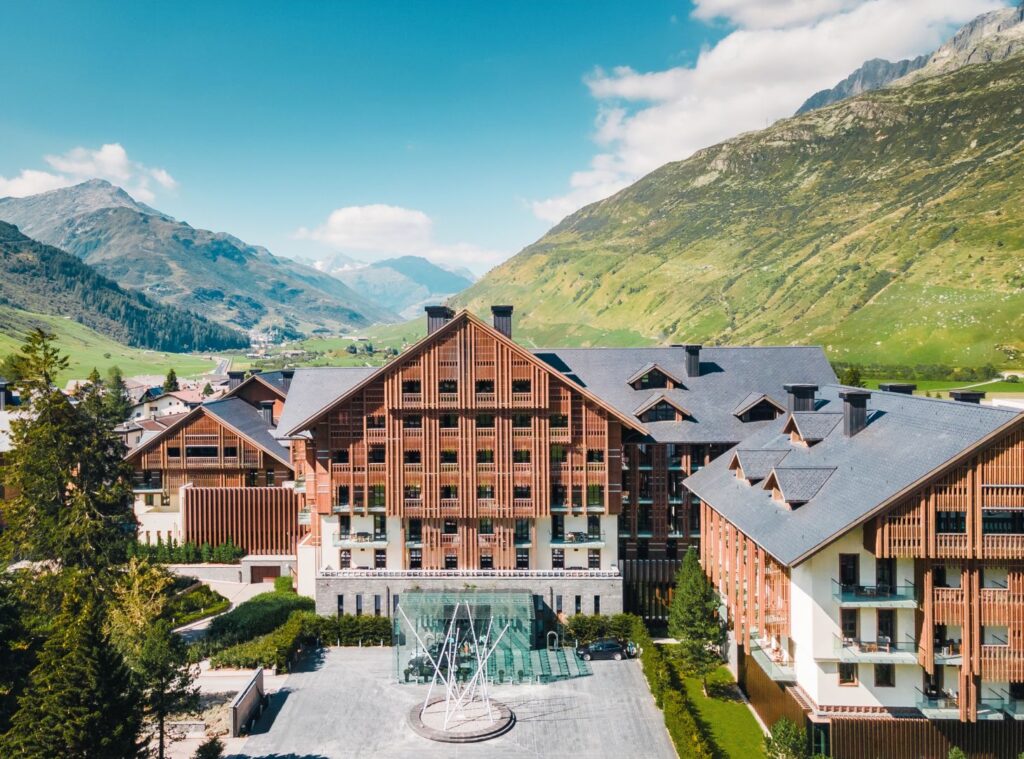
The Chedi Andermatt, Switzerland
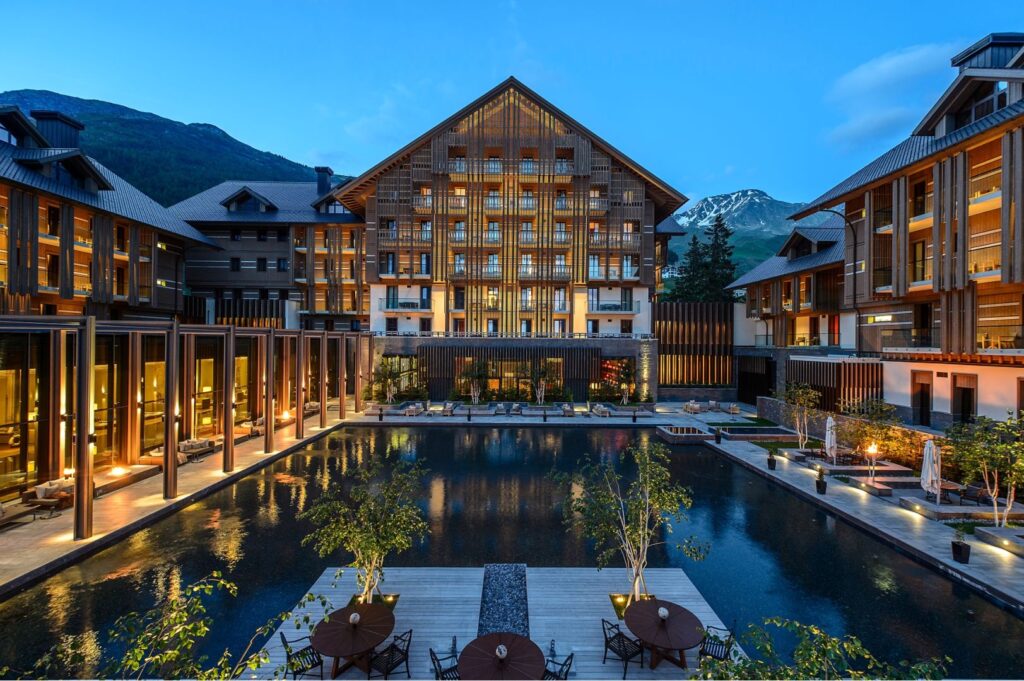
Gotthardstrasse 4, 6490 Andermatt, Switzerland
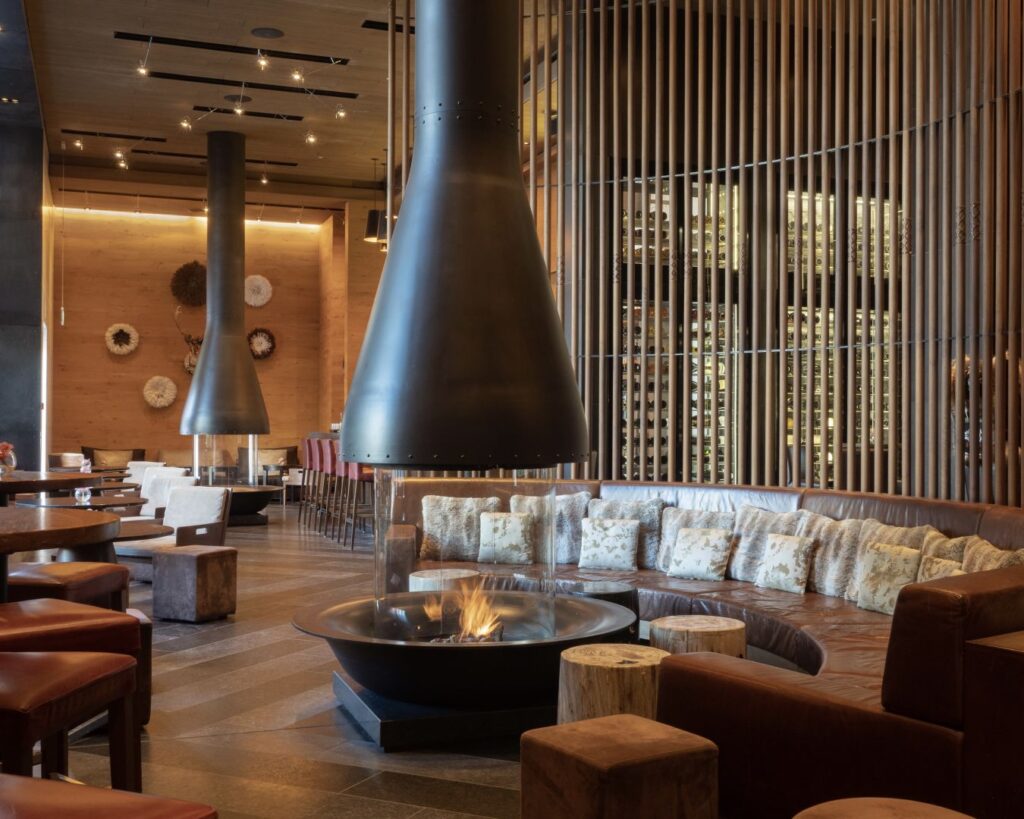
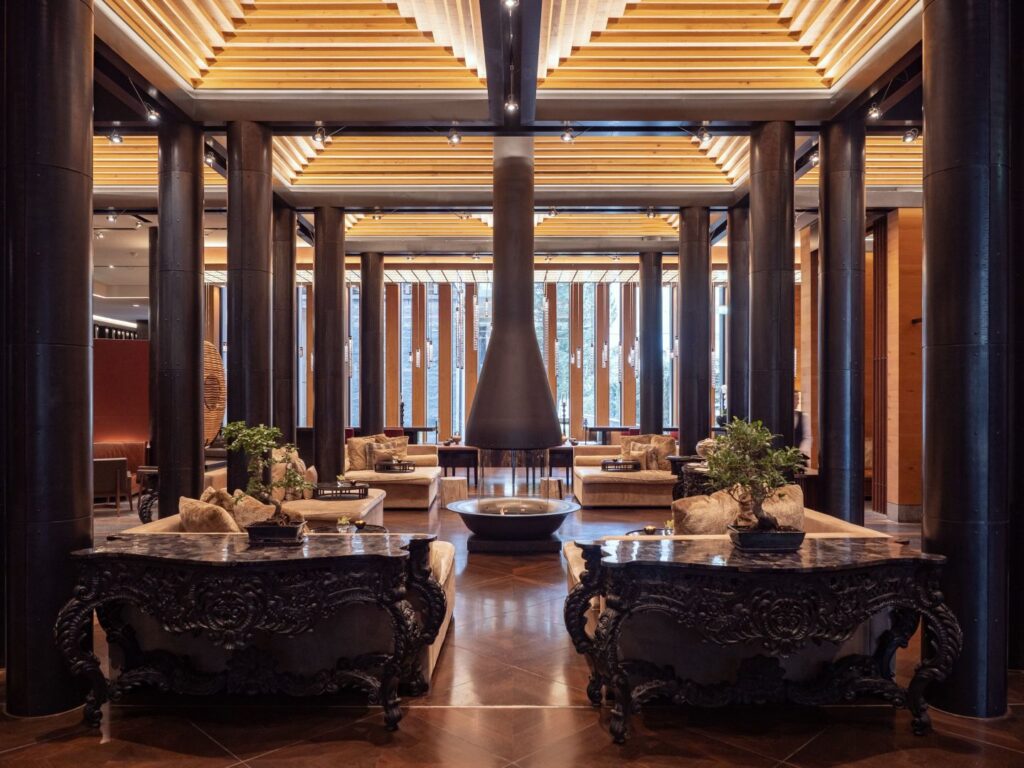
Two hundred fireplaces, a two-Michelin-star Japanese restaurant in the middle of the Alps, and a spa that makes you forget you own a phone.
Let me paint you a picture of what “sold out” actually means.
This isn’t about being Type A. It’s about math.
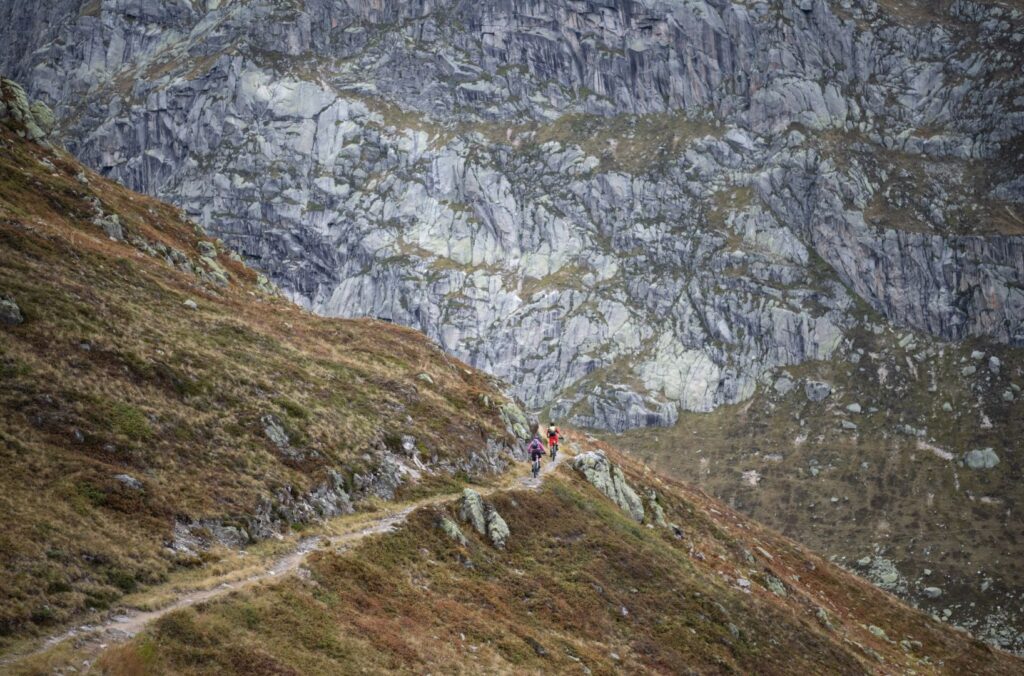
The Chedi Andermatt sits at 4,738 feet in the Swiss Alps, surrounded by three Alpine passes. Star architect Jean-Michel Gathy designed it as a collision of Swiss hospitality and Asian serenity (think slatted walls and Spirited Away-style Japanese lanterns set against mountain views and roaring fireplaces).
Yes, I said fireplaces. Over 200 of them throughout the property. Every single room has one.
The Rooms and the Restaurants
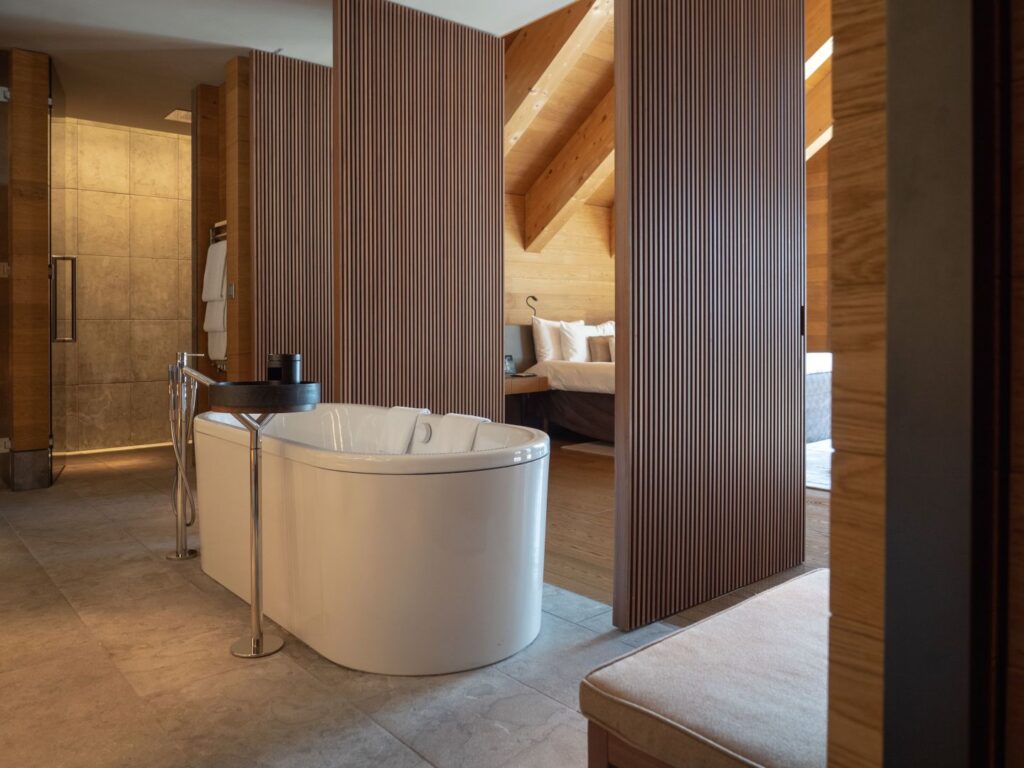
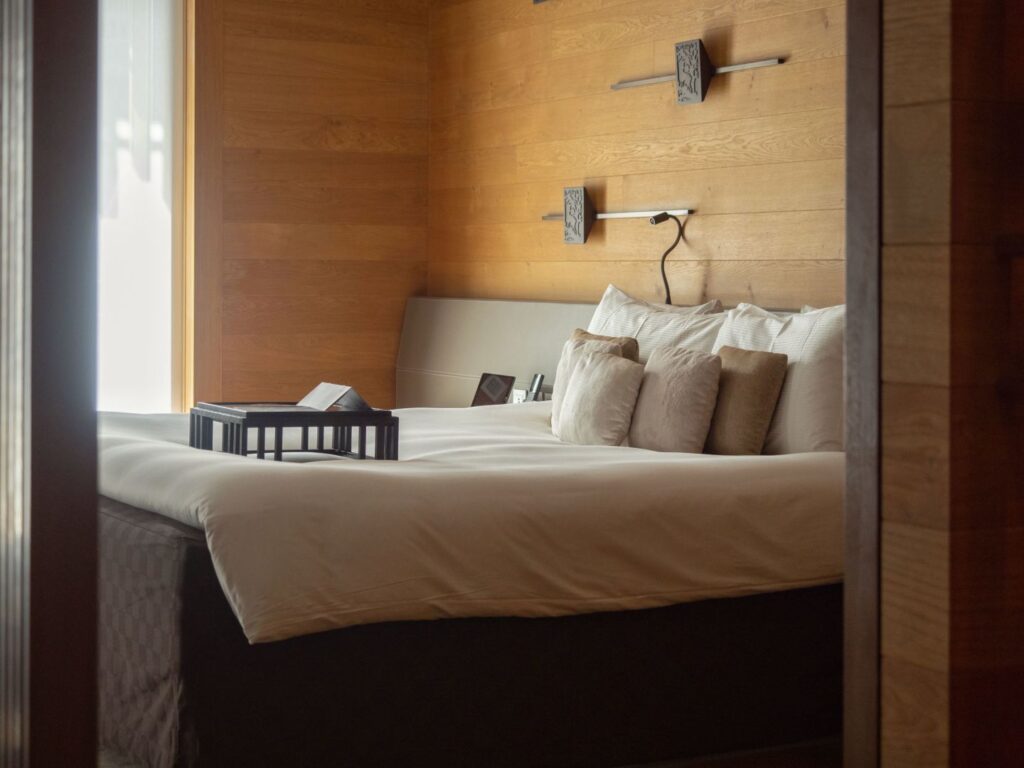
The rooms themselves start at 560 square feet (that’s the entry-level category) with oak-planked floors, deep leather armchairs, glass-fronted electric fireplaces you can enjoy from both inside and on your private balcony, and spa-style bathrooms with rough granite surfaces, freestanding tubs, rain showers, and heated stone floors.
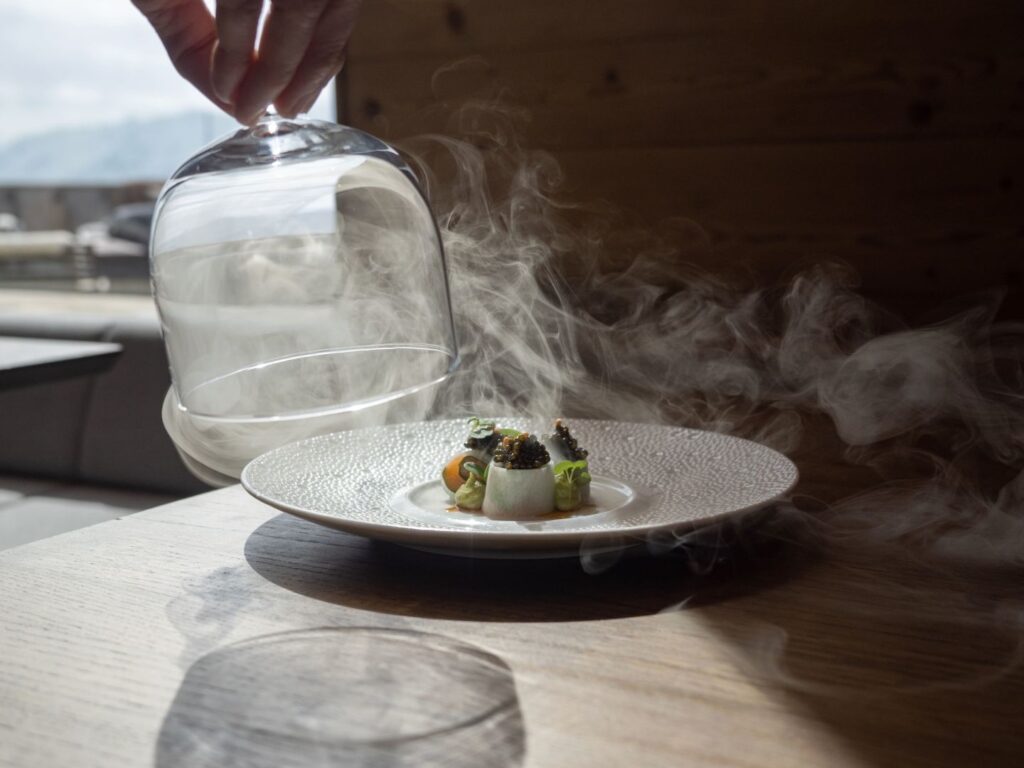
But here’s what makes this place genuinely hard to book: the restaurants. The Japanese has two Michelin stars and 18 Gault Millau points. The Restaurant features a five-meter-tall glass cheese cellar showcasing Switzerland’s greatest treasures. There’s a wine and cigar library with over 800 varieties from 15 countries. The spa covers 2,400 square meters with a 35-meter indoor pool that looks out at the Alps through a glass frame, plus a steaming outdoor pool warm enough to swim in even when it’s snowing.
The Moment That Stays With You
Swimming in the heated outdoor pool while snow falls around you, steam rising from the water, mountains in every direction. It sounds like a cliché until you’re actually doing it. Then it becomes one of those moments that rewires your understanding of what winter can feel like.
A location scout for a Bond film chose this area. The slopes are surprisingly uncrowded because Andermatt never became the “scene” that other Swiss resorts did. You get world-class everything without the world showing up.
When To Book
July availability? It starts filling up in January. By March, you’re choosing from whatever’s left. By May, you’re looking at different dates entirely.
This isn’t me trying to create urgency. This is just how peak season works. The properties worth staying at don’t sit around waiting for you to decide. If you’re serious about planning your July 2026 travel, the math is simple: earlier is better.
Angama Mara, Kenya
The Mara Triangle Conservancy Maasai Mara Game Reserve, Lolgorien, Kenya
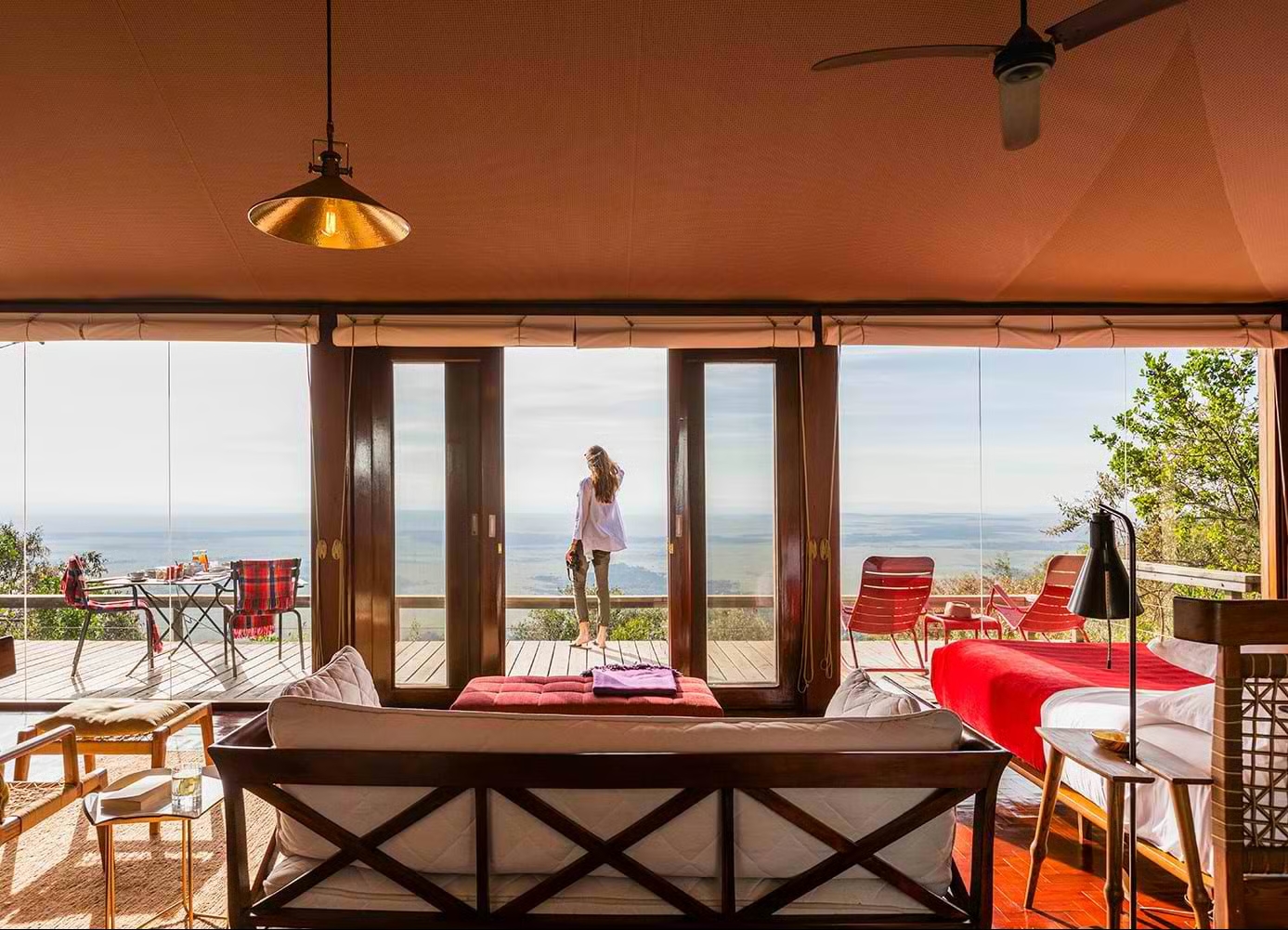
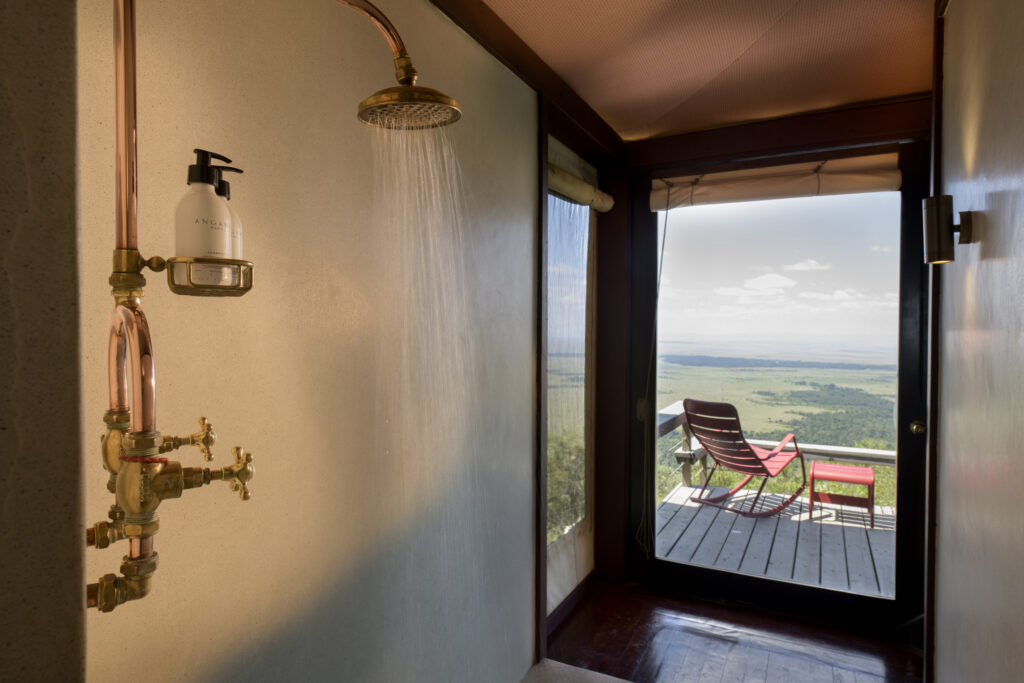
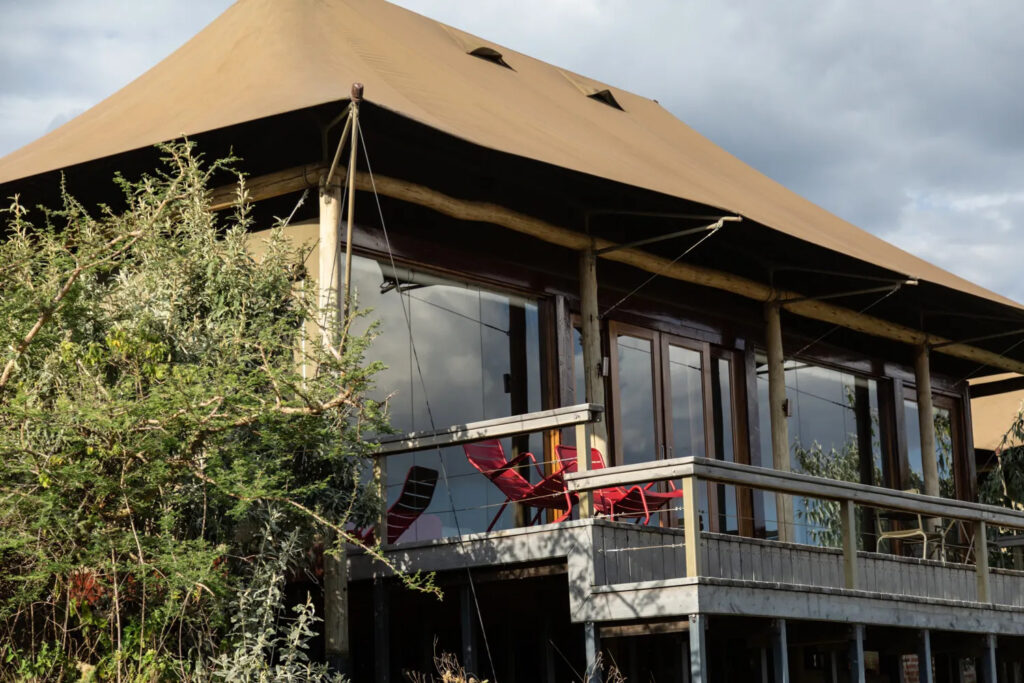
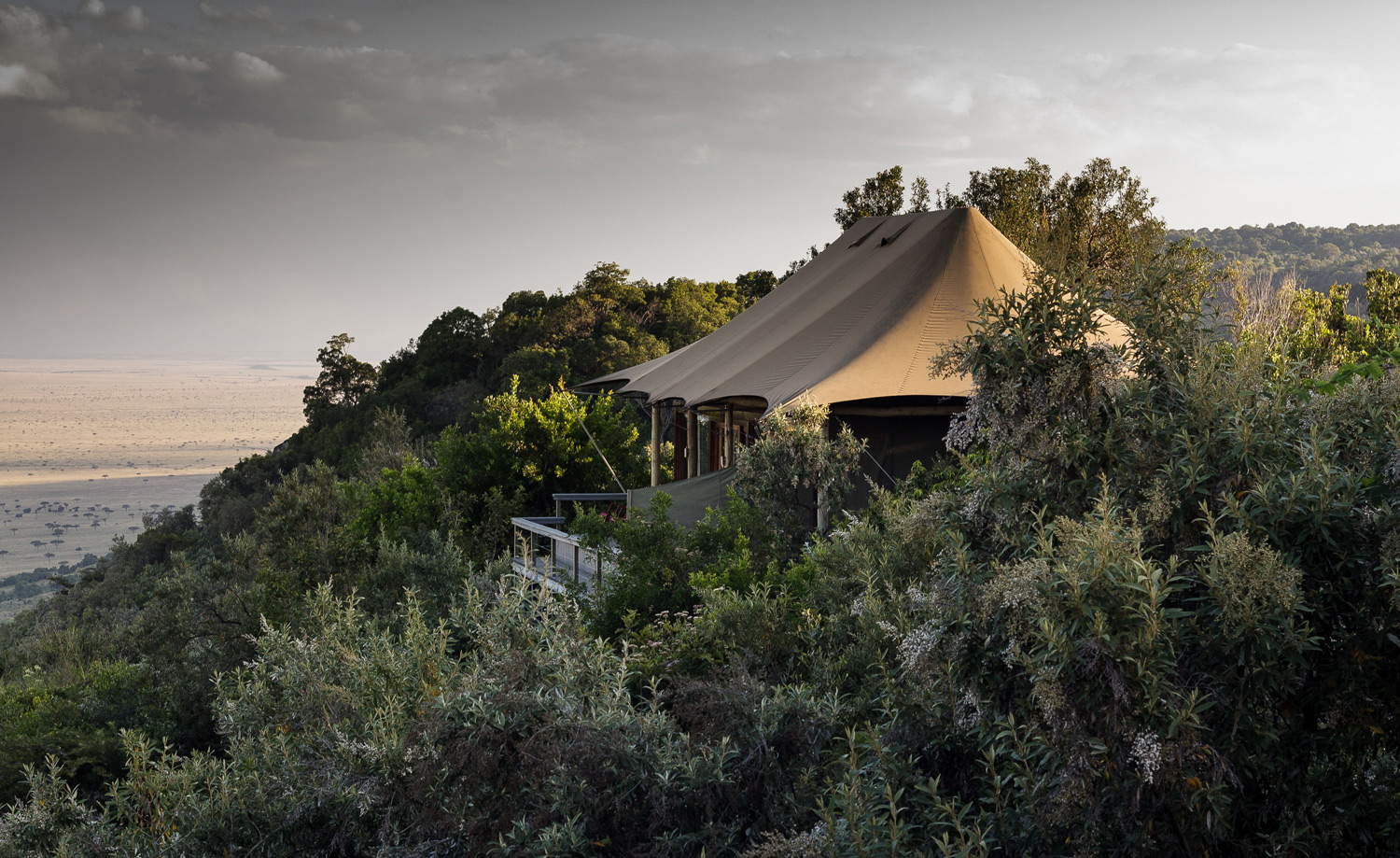
Glass-walled tents perched 1,000 feet above the Great Migration, where you can relive the Out of Africa picnic scene (literally, they’ll set it up for you) and edit your wildlife shots in an on-site studio before you even get home.
Same story, different continent.
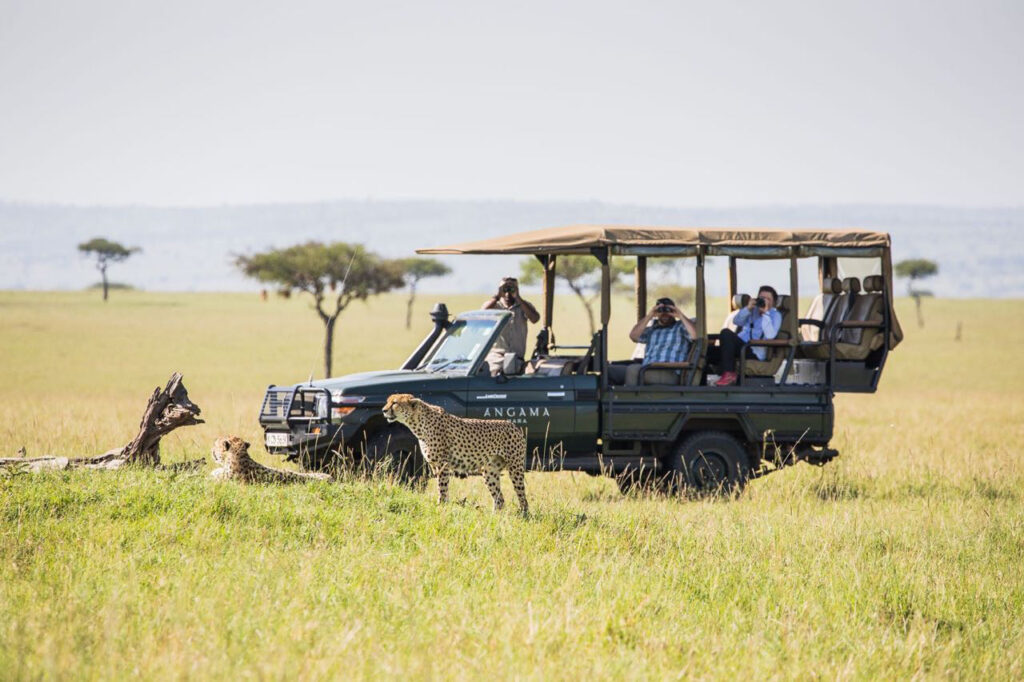
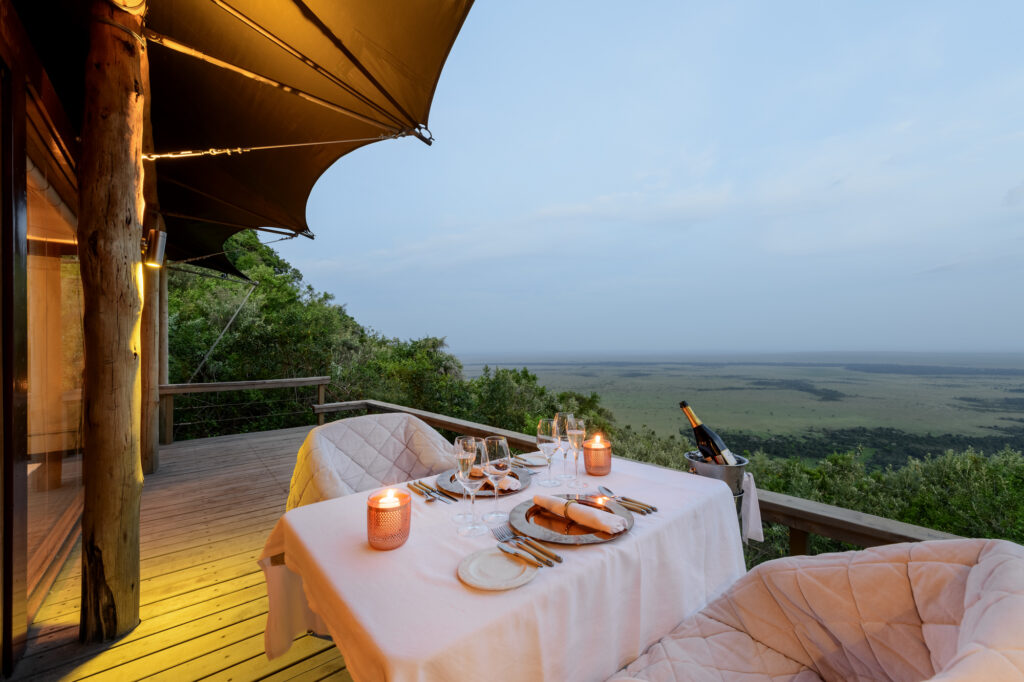
Angama Mara sits 1,000 feet above the Maasai Mara, built on three rocky outcrops (kopjes) along the edge of the Great Rift Valley. The name means “suspended in mid-air” in Swahili, and when you see the view, you’ll understand why.
This is the exact location where they filmed some of the most romantic scenes from Out of Africa. And yes, you can request a private picnic on the very kopje featured in the movie’s iconic poster. Checked blankets, comfy cushions, canvas safari chairs, sparkling wine on ice. If you’re proposing or celebrating an anniversary, there’s genuinely no better backdrop on Earth.
Each of the 30 tented suites (split between two separate camps of 15) spans over 1,000 square feet including the deck, with 36-foot floor-to-ceiling glass walls that frame the Mara below. Bright red notes throughout the design are a nod to Maasai culture. Super-king beds, polished parquet floors, drinks cabinets, writing desks, electric blankets for cool evenings.
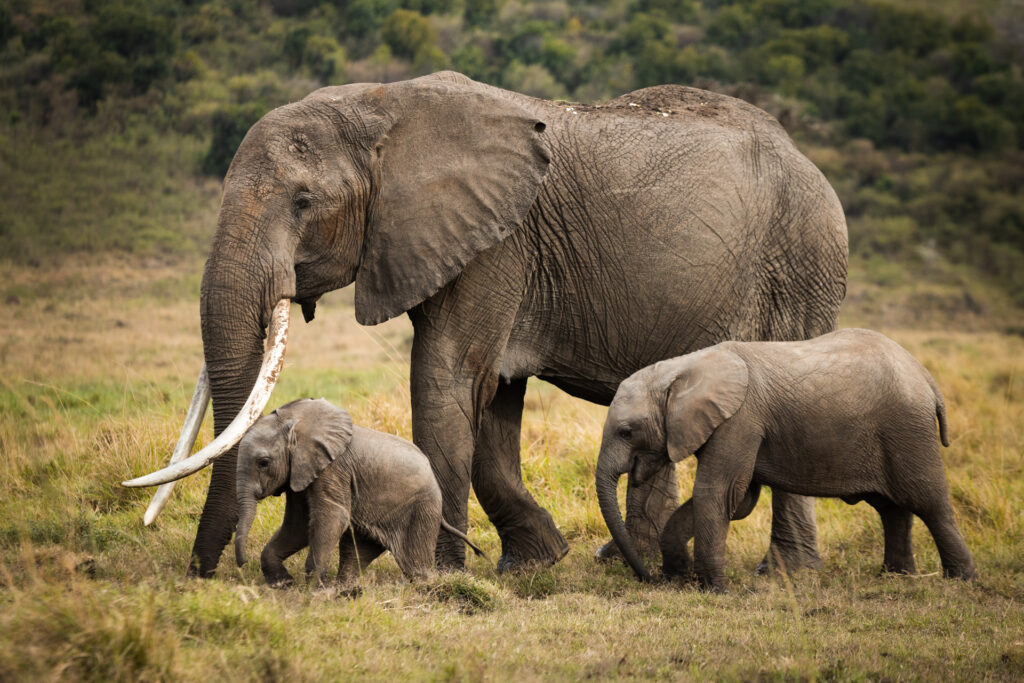
The formative experience at Angama: The hot air balloon safari. You wake up at 4am (I know, but trust me), drive 45 minutes to the launch site while the sky is still dark, and then float silently over the Mara as the sun comes up. From up there, you finally understand what “as far as the eye can see” actually means. The Mara River snakes below you, hippos grunt from the water, and if you’re there during migration season, the wildebeest herds look like ants stretching to the horizon. An hour later, you land somewhere in the middle of nowhere and toast with champagne at a bush breakfast under a tree. It’s the kind of morning that rewires what you think is possible before 8am.
Ishara, Kenya
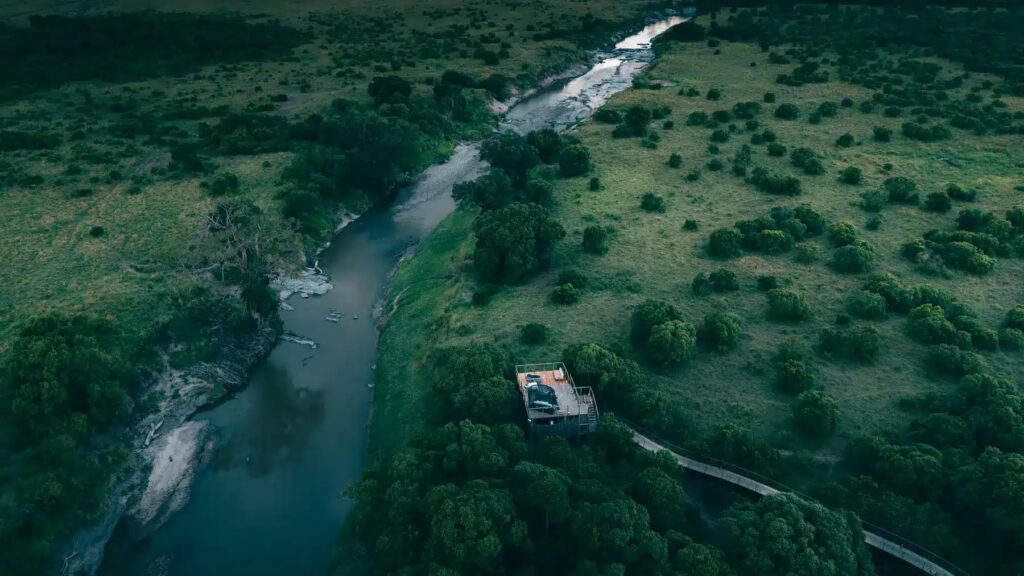
Masai Mara National Reserve, Kenya
The first starbed in the Mara, a Canon photo studio where you edit your shots before wheels-up, and an infinity pool overlooking a waterhole where lions actually drink. It’s what happens when someone builds a safari camp with “spare no expense” as the only brief.
If Angama is suspended in mid-air, Ishara is rooted in the earth.
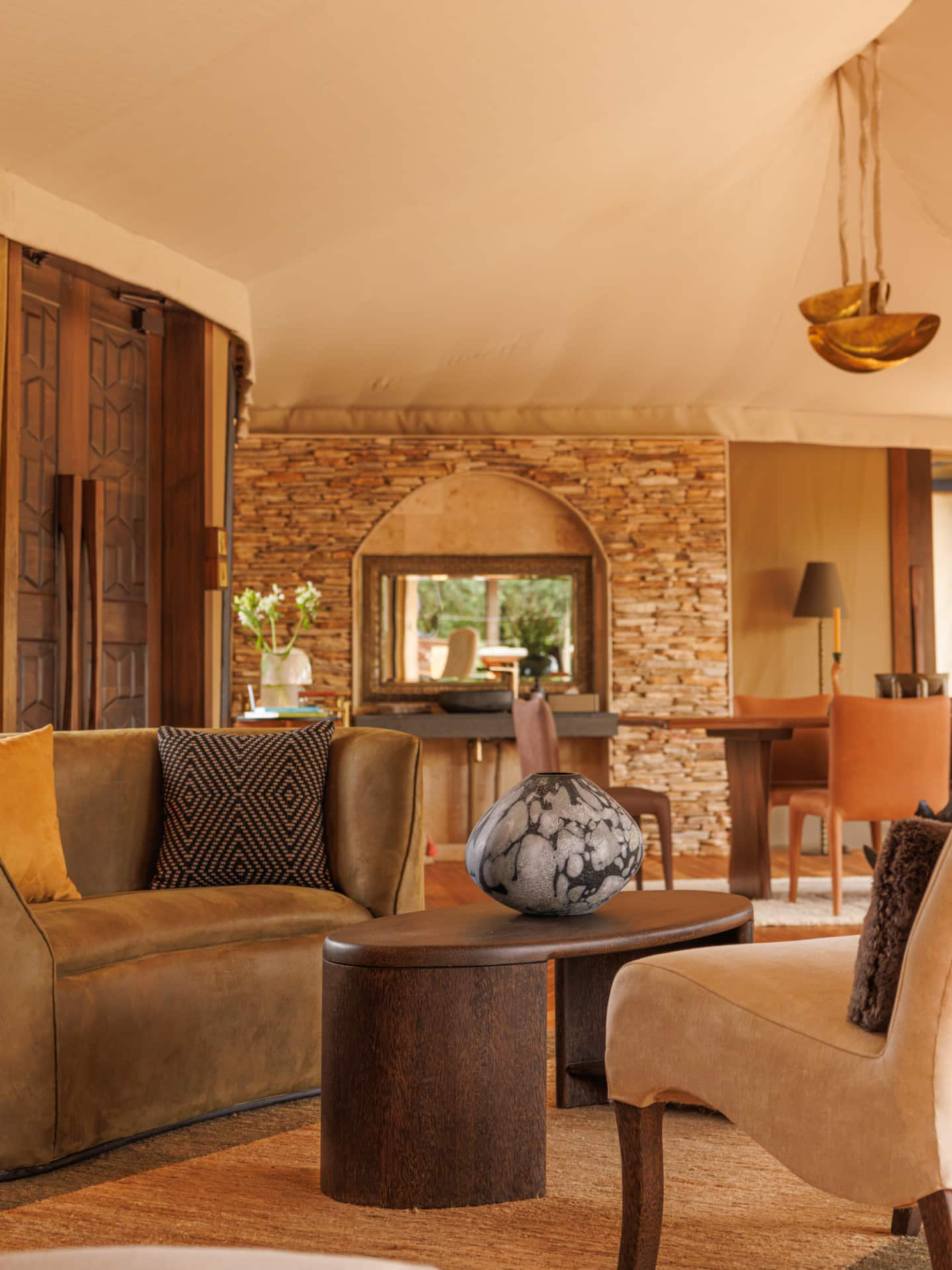
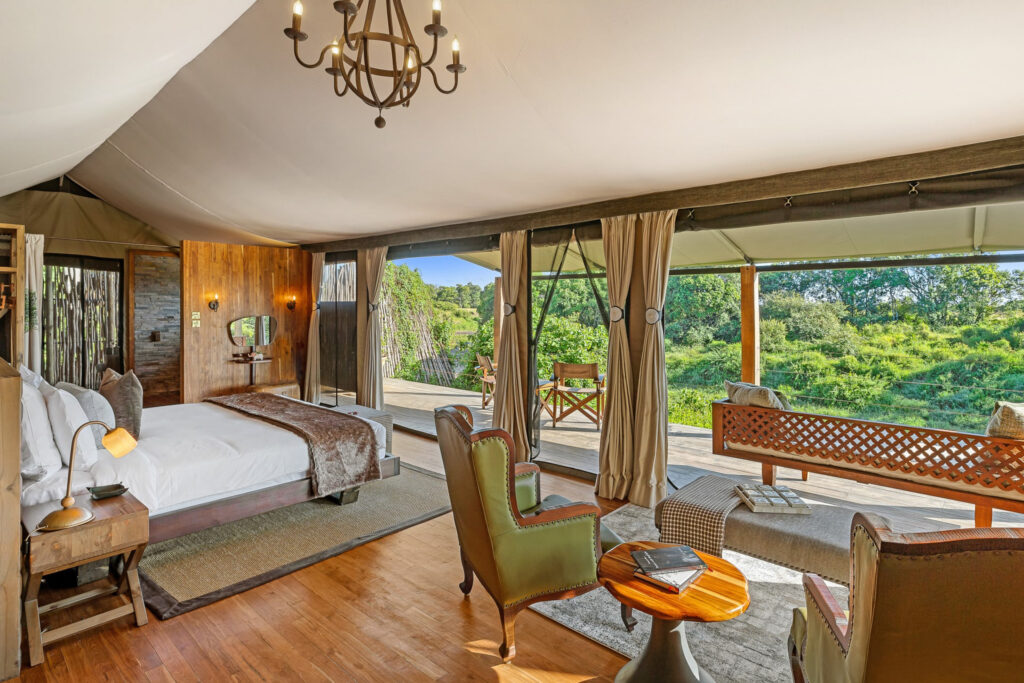
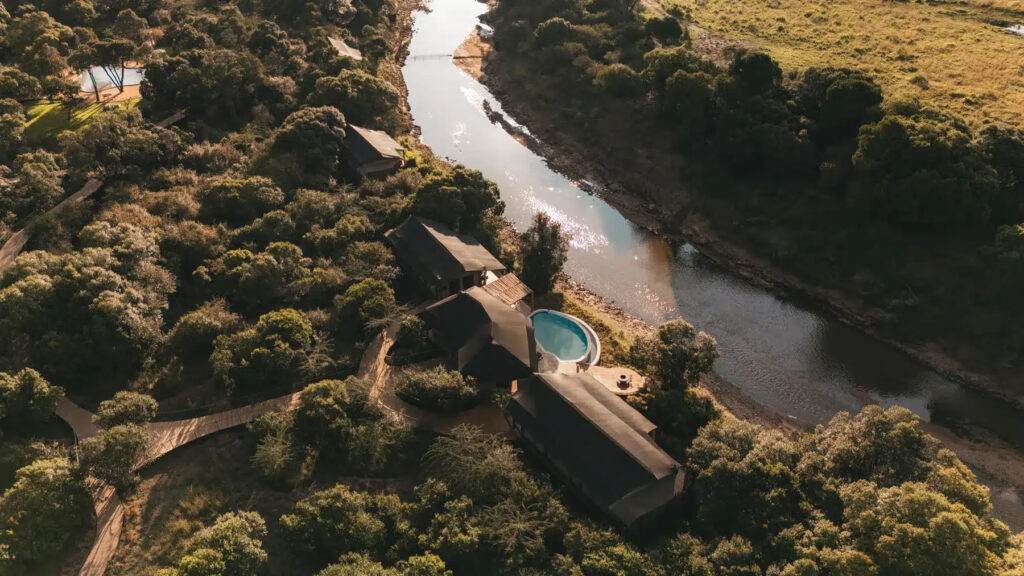
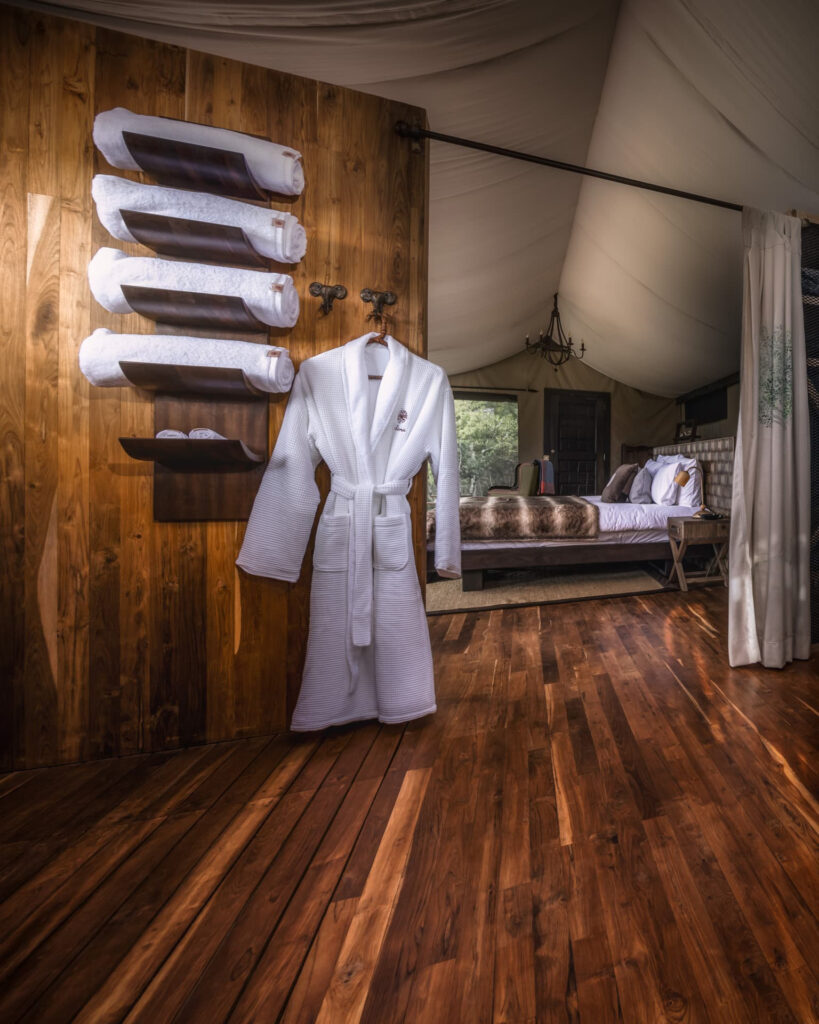
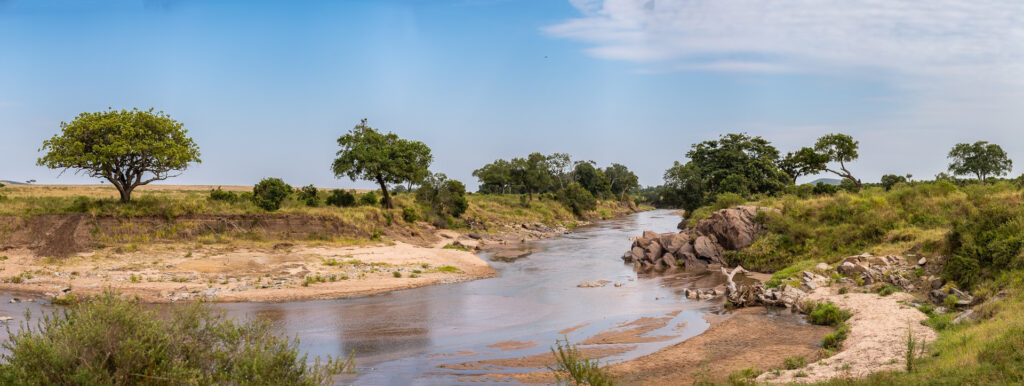
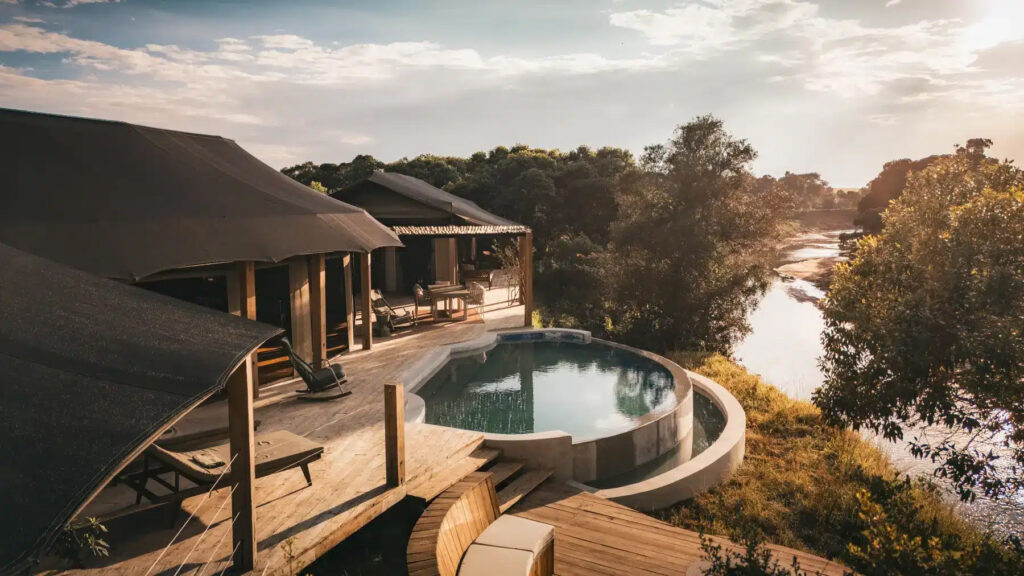
Perched along the Talek River with elephants wandering past as you sip morning coffee, Ishara is a different kind of Mara experience. The name means “signs” in Swahili, and the design philosophy reflects that: minimalist modern architecture woven with African warmth. Treetop paths that awaken your inner child. Hand-carved white oak headboards where every square is individually sized. Grandmother Chairs (their name for the mahogany pieces upholstered in green leather, inspired by the ancient olive tree on property).
Seven River Suites, two Family Suites, one Villa Suite. This is an intimate camp represented by Index Select, one of my favorite rep firms because everything they touch is genuinely excellent. The suites feel oversized and considered, with contactless room service delivered through ingenious mahogany hatches so your privacy is never interrupted.
The Starbed
But the formative experience at Ishara is the Starbed. And I need you to understand what this actually is.
The first of its kind in the Maasai Mara, the Starbed is an elevated platform above the tree canopy with a proper bed, an en-suite bathroom with rainfall shower, and now a magnificent stone bathtub. You sleep completely exposed to the African night sky, surrounded by the sounds of lions roaring at dusk, hippos frolicking in the river, and the gentle gurgle of the stream below. Maasai guards patrol throughout the night so you’re safe from wandering wildlife.
One recent guest described it this way: “Falling asleep in the star bed, surrounded by the sounds of nature and a starry sky that felt endless.” His wife called it “a journey like no other.”
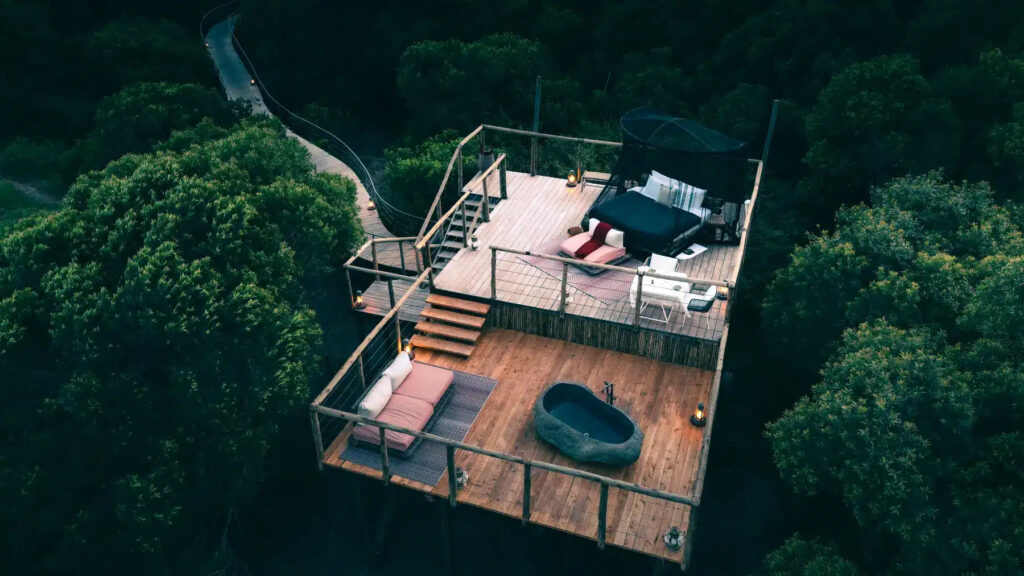
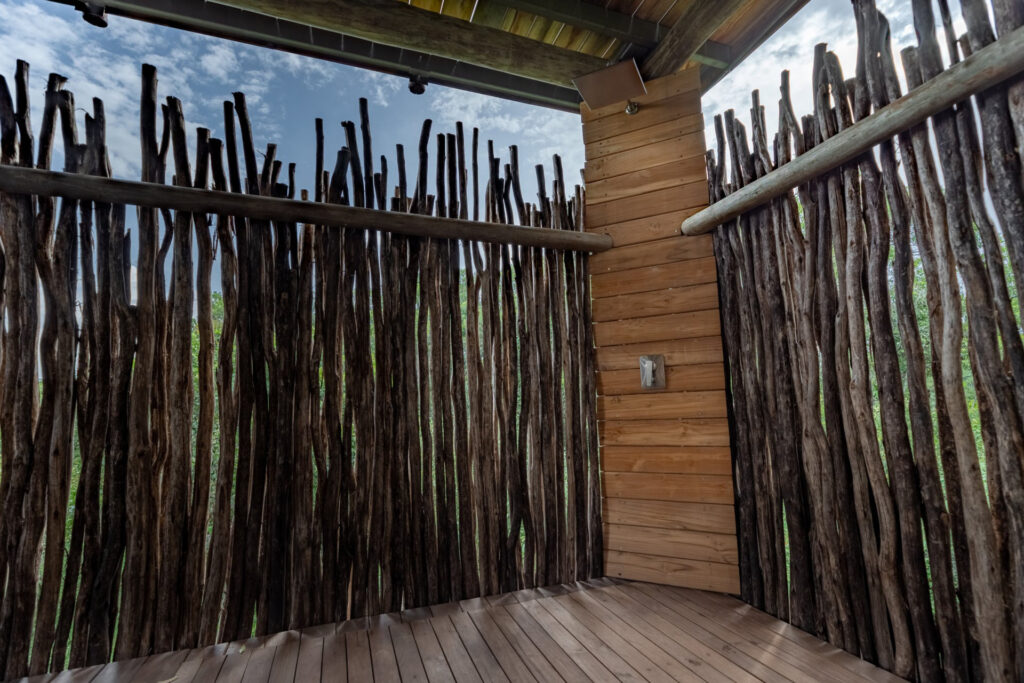
This isn’t a gimmick. This is the kind of experience that rewires how you think about what’s possible. You’re lying in a comfortable bed, under a blanket of stars so thick you’ve never seen anything like it, listening to the actual sounds of the African bush. No walls. No ceiling. Just you and the wilderness and a sky that feels like it goes on forever.
The catch for both lodges? Everyone else planning a July safari knows the Mara is special. The best properties book 6-9 months out during migration season.
2. Flight Prices and Availability Get Worse, Not Better
There’s a myth that last-minute deals exist for peak season travel. They don’t. Not for July. And if you plan your July 2026 travel now versus waiting until spring, the difference shows up in your flight options.
What actually happens: airlines know exactly when demand spikes. They price accordingly. The closer you get to departure, the fewer seats remain, and the ones that do are priced for people who have no choice but to pay.
Book in December or January for July travel and you’re choosing from full flight schedules. You want the direct route? It’s available. You want to avoid the 6am departure with two connections? You can.
Wait until April or May? You’re taking whatever’s left. And “whatever’s left” usually means the itinerary that adds five hours to your travel day, arriving exhausted instead of excited.
I’ve seen this play out with clients more times than I can count. The difference between booking early and booking late isn’t just price (though that matters). It’s the difference between starting your trip rested versus starting it resentful.
This is the part where most people lose the plot. They think they’re being flexible. They think waiting gives them options. It doesn’t. It gives them constraints disguised as choices.
3. July Destinations Are Legitimately at Their Best
This isn’t arbitrary timing. July is peak season in most of the Northern Hemisphere because conditions are genuinely optimal. When you plan your July 2026 travel, you’re not just picking a date on the calendar. You’re choosing destinations at their absolute best.
The Swiss Alps in Summer
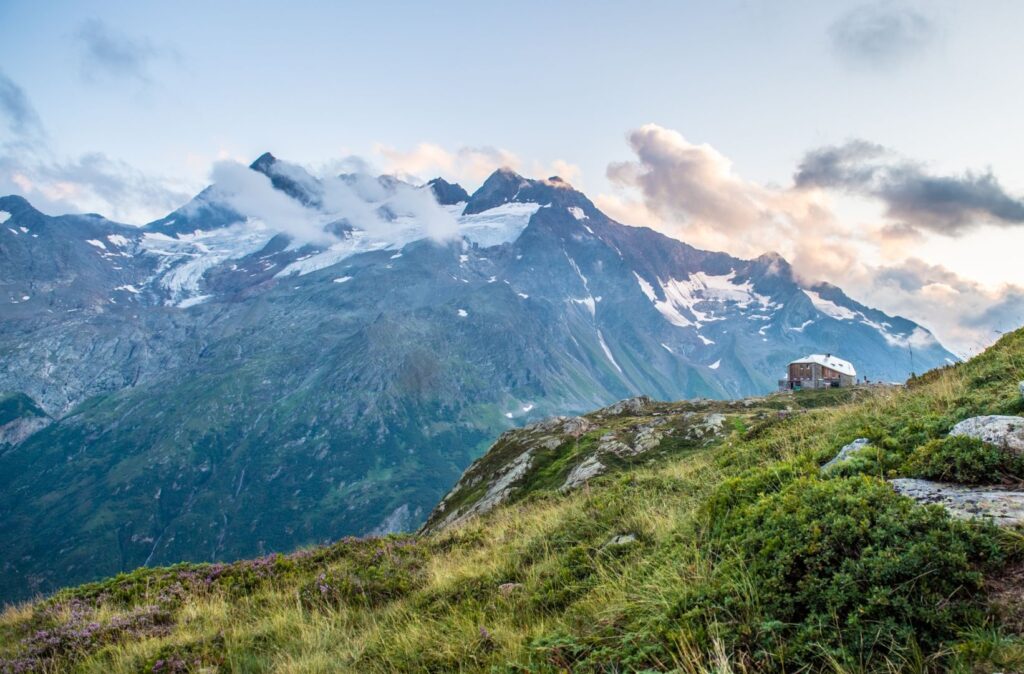
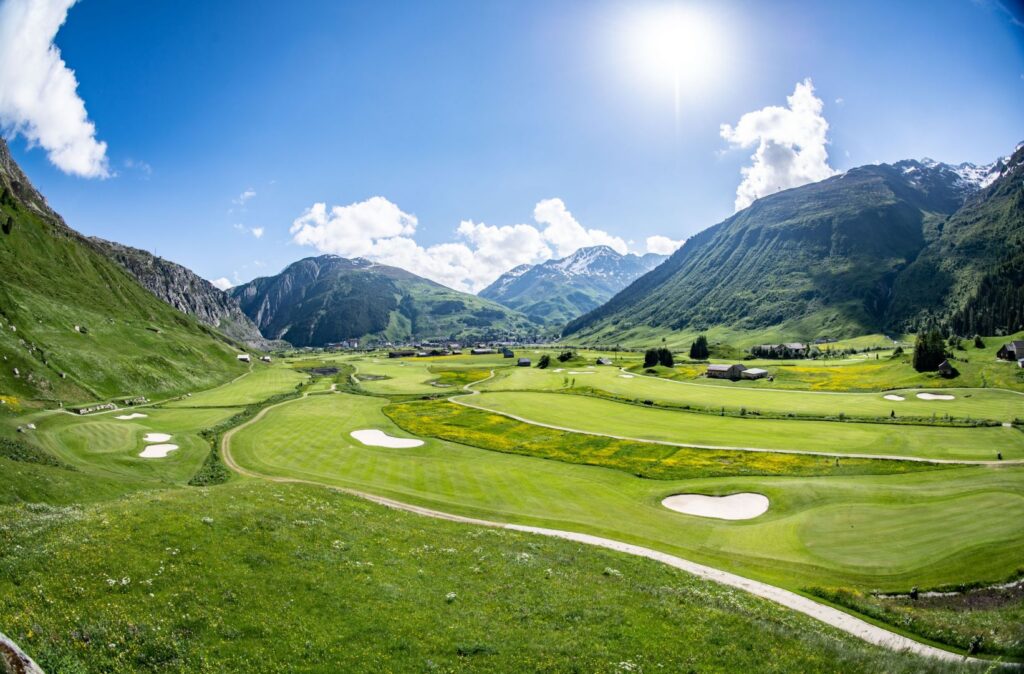
Summer in the Alps is a completely different experience than winter. Wildflower meadows explode across the mountains. The famous Glacier Express from Zermatt to St. Moritz (8 hours, 91 tunnels, 291 bridges) is spectacular in July. Temperatures hover around 70 degrees. You can actually hike without wanting to die.
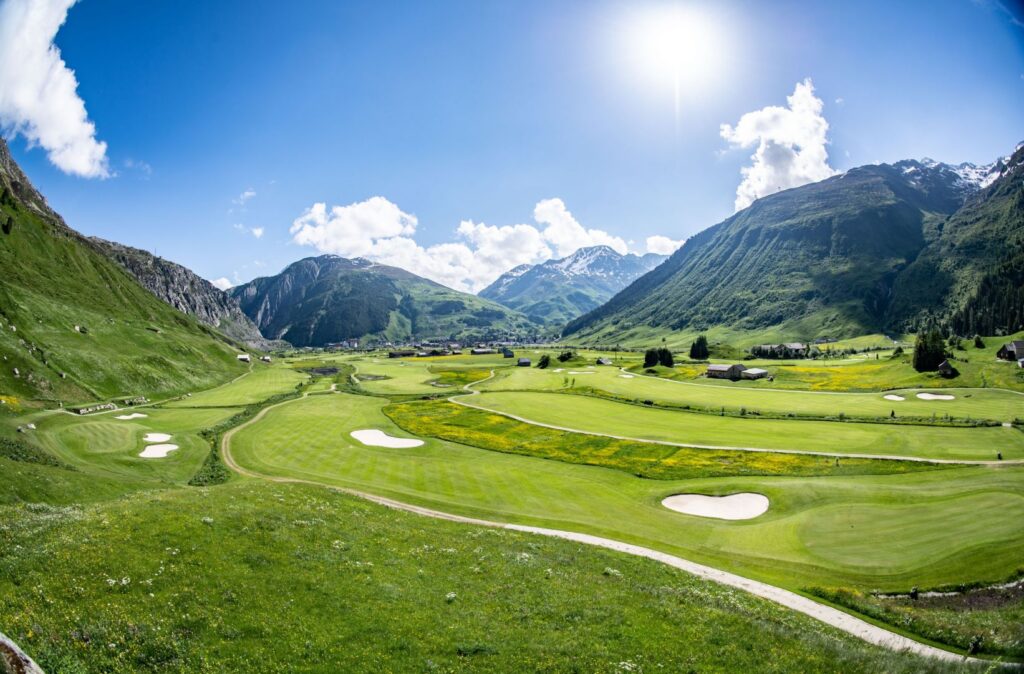
The Chedi Andermatt transforms. The outdoor pool becomes the place to be. E-bikes are available to explore the surrounding valleys. Herb walks and llama hikes through the Andermatt mountains. Cheese-making on a summer pasture. Golf at the 18-hole championship course.
Try any of that in January and you’re looking at a very different experience.
Pro tip: If Switzerland feels too expensive, consider Lake Bled in Slovenia. Same Alpine scenery at a fraction of the cost. The Grand Hotel Toplice sits right on the lake, with a thermal spring running beneath the property and complimentary rowing boats for guests. Ninety minutes from Ljubljana, feels like a different century.
Bermuda in July
Two hours from the East Coast, but it feels genuinely foreign.
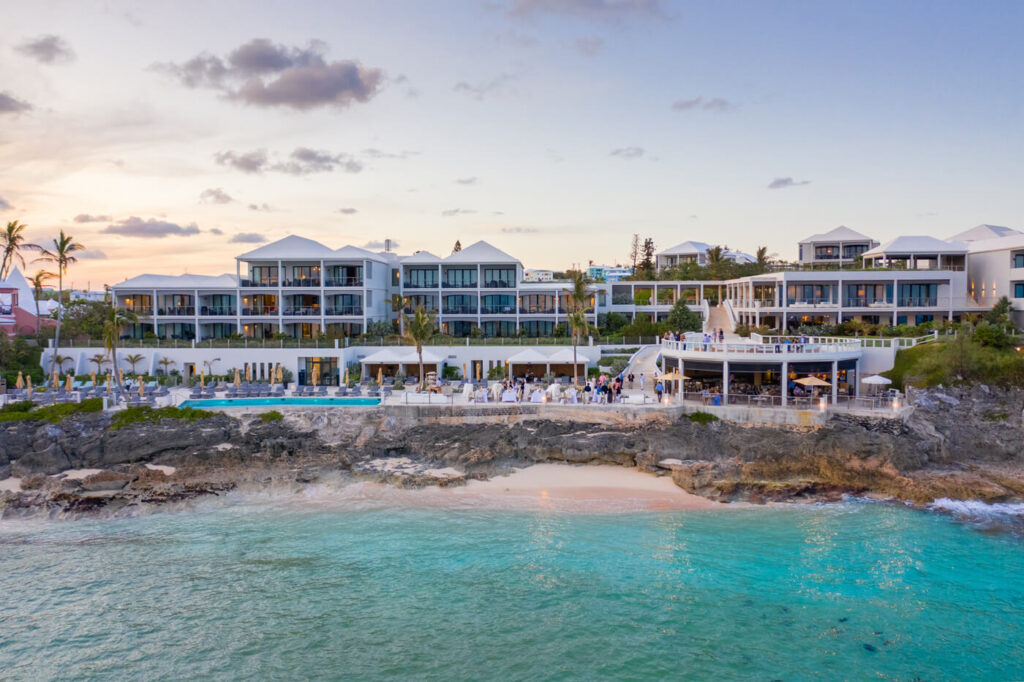
The Loren at Pink Beach opened in 2017 and immediately became the island’s most contemporary property. This was the first from-scratch hotel built in Bermuda in decades, and it put modern design first (clean lines, spacious rooms, floor-to-ceiling windows flooding every space with natural light and Atlantic views).
The pink sand? It’s actually pink. (Tiny invertebrates on the coral reefs, if you’re curious.) The beaches are steps away. The Sisley Spa is one of only 27 in the world. The restaurants include Marée, a tasting-menu-only spot that’s among Bermuda’s best.
Rooms start at 750 square feet with private balconies, luxurious SFERRA linens, marble bathrooms with freestanding tubs, walk-in rain showers, and Malin+Goetz amenities. The three-bedroom penthouse has a private rooftop terrace, private elevator, fireplace, and fully equipped kitchen.
The formative experience at The Loren: Cup Match Weekend in late July. This isn’t just a cricket tournament. It’s the biggest celebration of the year in Bermuda, a two-day public holiday when the entire island comes alive. Street parties, traditional food, crowds that feel electric. If you’re there during Cup Match, you’re not watching Bermuda from the outside. You’re experiencing it the way Bermudians do. Most tourists have no idea this exists. Now you do.
July brings warm water and the perfect conditions. And because Bermuda is so close (two hours from the East Coast), you can actually do a long weekend without losing days to travel. Friday morning flight, Sunday evening return. The math works.
Kenya During the Great Migration
Late July drops you into one of the most spectacular wildlife events on the planet.
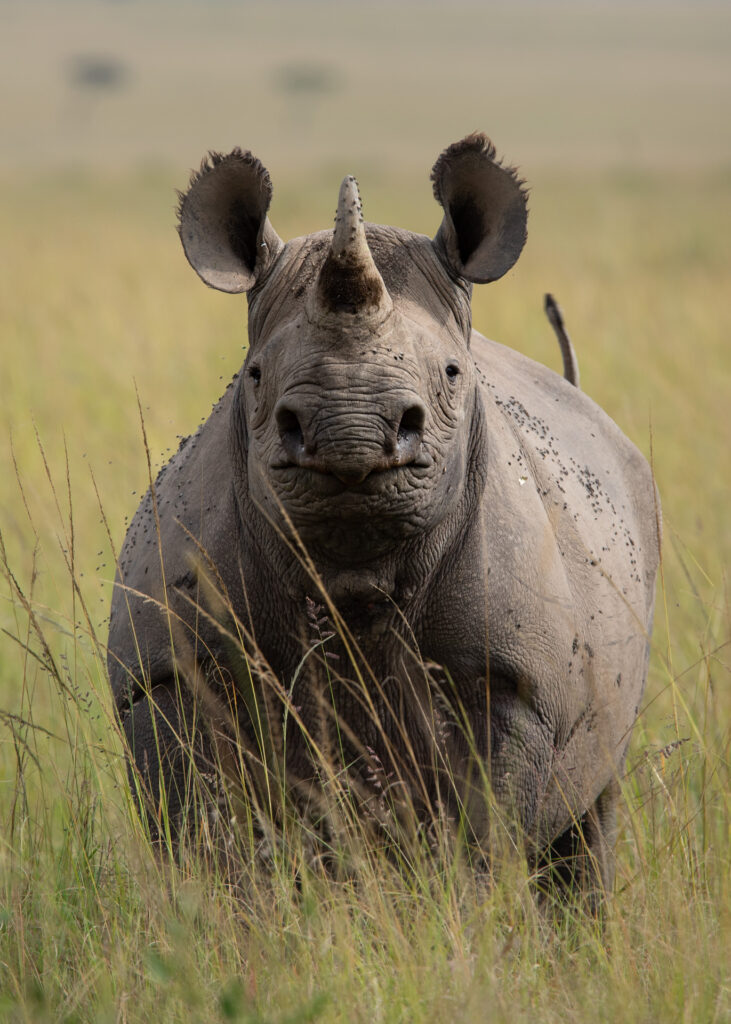
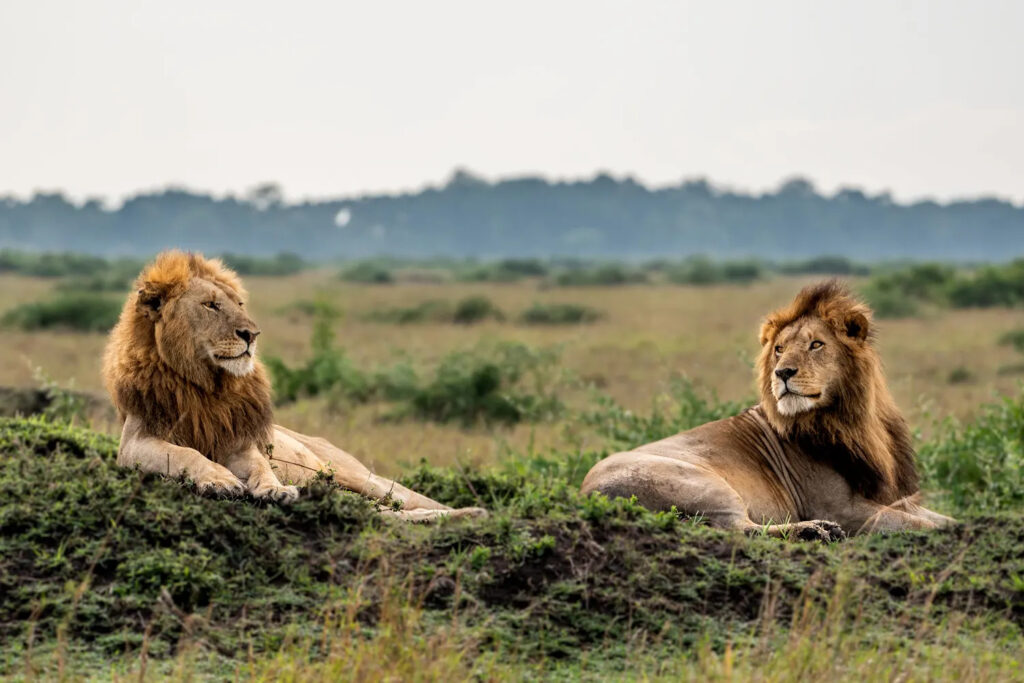
Over 1.5 million wildebeest and 400,000 zebras crossing the Mara River, dodging 3,000 Nile crocodiles. It’s chaotic, primal, and completely unrepeatable. August is statistically the best month for river crossings, but late July is excellent and slightly less crowded.
At Angama Mara, you’ll watch the migration from 1,000 feet above, then descend into the action with your private guide. The lantern-lit signature Forest BBQ. Sundowner cocktails in the Boma while Maasai warriors perform. Morning hot-air balloon flights over the plains. And when you return, you’ll edit your shots with the on-site photographers in the studio.
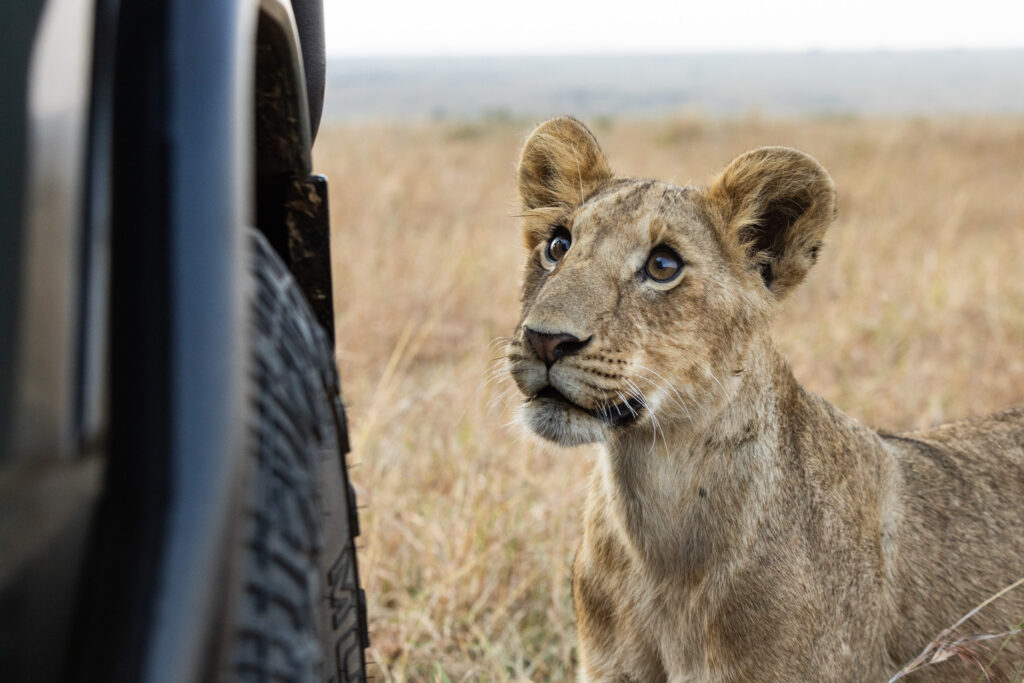
At Ishara, you’re at river level along the Talek, watching elephants wander past your suite as you sip morning coffee. The game drives are exhilarating (one recent honeymoon couple saw six lionesses with ten cubs nursing and playing on their first night). And then there’s the Starbed: falling asleep under stars that feel endless, the sounds of lions and hippos filling the night, Maasai guards keeping watch until dawn.
This is the kind of trip that changes how you think about travel. Not just a vacation but a genuine recalibration of perspective.
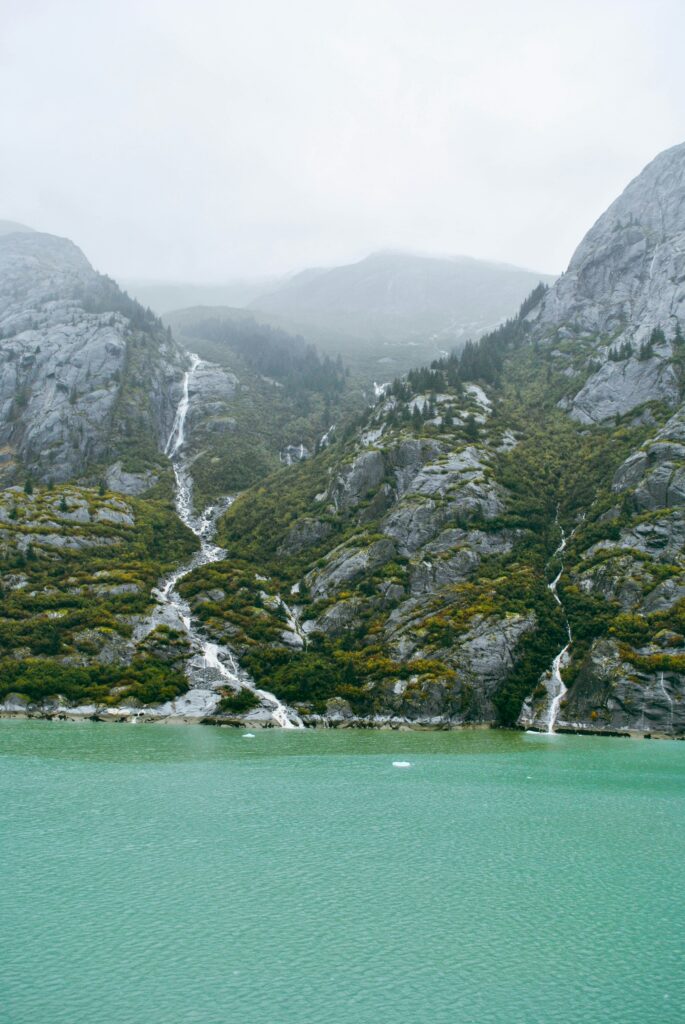
Alaska in Endless Daylight
July is when Alaska actually plays nice. Endless daylight. Glaciers at their peak accessibility. Wildlife everywhere. Temperatures that make being outside enjoyable instead of a survival exercise.
I did an Alaska cruise over the Fourth of July on Celebrity Edge and came back more relaxed than I’ve ever been after a vacation. The secret isn’t the ports (they’re honestly a bit touristy near the docks). The secret is the journey itself.
The formative experience in Alaska: The 720-degree ship spin at Dawes Glacier. They rotate the entire vessel slowly so every cabin gets the view. You’re standing on your balcony, glacier filling your entire field of vision, and the ship just… turns. During our rotation, the glacier calved the biggest chunk of ice all summer. A piece the size of a building crashing into the sea while you watch from 500 feet away. That’s not a photo opportunity. That’s a moment that stays with you.
The Infinite Veranda cabins on Celebrity Edge are perfect for Alaska. Floor-to-ceiling glass that transforms at the push of a button from enclosed sunroom to open-air balcony. Climate-controlled comfort with genuine fresh air. You get the benefits of being outside without freezing.
Book the port side. When you’re docked, you’re looking out at the scenery instead of at the dock.
One regret: I wish I’d done a boat or kayak excursion to get closer to the glaciers. The ship views are stunning, but there’s nothing like being at water level when ice calves. Don’t make the same mistake I did. Book here with our partners at Project Expedition.
4. You Actually Get to Enjoy the Planning Process
Here’s something nobody talks about: the quality of your planning experience changes dramatically based on when you start.
Start in December for July travel and you’re making decisions calmly. There’s time to research. Options can actually be compared. You get to think about what you actually want versus what’s available.
Start in May for July travel and you’re in panic mode. You’re taking whatever’s available. You’re making rushed decisions. The planning feels like a chore instead of a preview.
I’ve worked with clients on both timelines.
The early planners are excited. They’re texting me about restaurant reservations and asking about the best hiking trails. They’re sending me photos of what they want to wear. The late planners are stressed. They’re asking if anything is available and settling for “fine.”
Same trip. Same destination. Completely different experience getting there.
This is where working with someone like me changes the equation when you plan your July 2026 travel. You get to skip the thirty-seven browser tabs phase entirely. You tell me what matters to you, I bring you three options that actually fit your life, you choose, I make it happen. The anticipation stays intact without the anxiety.
5. The Details That Make a Trip Actually Matter? Those Require Lead Time
The difference between a good trip and a great trip usually comes down to details that require advance coordination.
Want that restaurant that’s impossible to get into? Reservations open months ahead. Want the specific room category with the view everyone photographs? Those go first. Want a guided experience with the best operator in the region? Their calendar fills up.
Let me tell you about a client who learned this the hard way.
They wanted to visit Mendenhall Glacier in Juneau during an Alaska cruise. Simple enough, right? Except every organized tour was sold out by the time they called me (three months before departure). We ended up arranging a Turo rental car to be dropped at the port so they could drive themselves out before the tour buses arrived.
It worked. They had the glacier practically to themselves. But that required creativity, flexibility, and frankly a little luck.
The better version of that story? Book early enough that you’re not relying on workarounds. Get the tours you want. Lock in the timing you want. Actually experience what you pictured when you started daydreaming. That’s what it means to plan your July 2026 travel the right way.
At The Chedi Andermatt, that means securing a table at The Japanese (two Michelin stars don’t sit empty). Angama Mara? Arranging the Out of Africa picnic on the kopje where they filmed the movie. Ishara requires booking the Starbed early (there’s only one, and it fills up fast). And at The Loren, the Sisley Spa treatments book out weeks in advance.
These aren’t optional upgrades. These are the details that turn a trip into a story you tell for years.
Ready to Stop Dreaming and Start Planning?
Here’s what happens when you reach out:
- You tell me what matters. Not where you want to go (necessarily) but what you’re looking for. Mountains or beach? Adventure or recovery? Crowds or solitude? First big trip or annual tradition?
- I bring you options. Not a hundred options. Three. Maybe four. Each one curated to what you actually told me. Each one with the details already sorted (the rooms, the restaurants, the timing).
- You choose. And then I make it happen. Flights, hotels, transfers, reservations, the upgrade you didn’t know to ask for, the backup plan if something goes sideways.
- You show up. That’s it. That’s your job. Show up and enjoy it.
Not sure where to even start? Tell me what matters most to you (mountains, beaches, wildlife, relaxation, adventure, minimal crowds) and I’ll point you in the right direction. No thirty-seven browser tabs required.
The window to plan your July 2026 travel is open now. It won’t stay that way.
Let’s figure out what July looks like for you. Click here to start.
Not ready to plan a full itinerary? Book your hotel yourself here and get exclusive perks added on!
Jace Tarbell is the founder of Somewhere Travel Co., a Virtuoso travel advisory specializing in upscale, experiential travel with concierge-level service. He treats your trip like his own: no wasted money, no missed details, no wondering who’s got your back.
Photo Credit: The Chedi Andermatt, Ishara Kenya, Angama Mara, The Loren at Pink Beach, Unsplash